MobilityAI is Here and Gaining Momentum

Jennifer Tisdale
Senior Director - Strategic Engagements, North America
March 25, 2026Share on:


On the evening of March 17, 2026, nearly 60 people gathered at Ann Arbor SPARK for something that hadn’t existed before: the inaugural meetup of the MobilityAI Community of Interest (COI). No agenda handed down from above. No corporate sponsor calling the shots. Just a room full of people from industry, government, defense, and academia who all recognized the same thing. Artificial intelligence and mobility are colliding in ways we need to understand together, not in silos.
The energy in that room said everything.
So, What Is Physical AI and Why Does It Matter?
We hear “AI” constantly, but Physical AI is more specific. It refers to artificial intelligence that doesn’t just process information, it acts in the physical world. Autonomous vehicles navigating real roads, drones making split-second decisions in flight, robotics systems on factory floors, and intelligent transportation infrastructure responding dynamically to real-world conditions. Physical AI is where the digital and physical worlds merge, and mobility is ground zero for that convergence.
That’s what made our speaker lineup so fitting for night one.
Michigan is Embracing the MobilityAI Initiative, Empowering Mobility Innovation
Justine Johnson, Michigan’s Chief Mobility Officer, set the tone for why this community belongs in Michigan. This state didn’t just build the car. It built the workforce, the supply chains, the engineering culture, and the policy frameworks that made modern mobility possible. As AI reshapes that entire ecosystem, Michigan has both the heritage and the urgency to lead. Justine’s remarks made clear that the economic opportunity is real, the workforce implications are significant, and the time to organize around this is now.
Tim Geiger, Founder of Blue Cyber and ex-Ford, brought the cybersecurity perspective that any honest conversation about AI and mobility requires. The benefits of AI integrations are real and undeniable, but so are the risks. As vehicles, drones, infrastructure, and manufacturing systems become more connected and more autonomous, the attack surface grows with them. Building cybersecurity into the foundation of Physical AI isn’t optional. It’s the whole game.
Dushyant Wadivkar, VP of AI Technology at Woven by Toyota, shared what it actually looks like to develop and deploy AI at the intersection of automotive and technology at scale. Woven by Toyota is driven by an ambitious and deeply human mission: zero accidents. Not as a tagline, but as a north star that shapes every technology decision they make. AI is central to reaching that goal, enabling vehicles to perceive, predict, and respond to the world around them in ways that reduce human error and save lives. Hearing that perspective grounded the evening in what’s real, what’s possible, and what’s next.
Get Involved!
That’s what MobilityAI COI is here for. This community only works if you’re in it. Here’s how to plug in:
- Join the community! Contact us at [email protected]
- Volunteer to host a future meetup at your venue
- Submit a topic you’d like to see covered or discussed
- Volunteer to speak and share your work, research, or perspective
Mark your calendars. Our next meetup is planned for June 9, 2026, hosted by MichAuto in Detroit from 4 to 6 PM. Details to be announced.
We are building a COI focused on how the mobility industries (automotive, robotics, aviation/drones, manufacturing, and connected critical infrastructure) are being reshaped through artificial intelligence. Come be part of it!
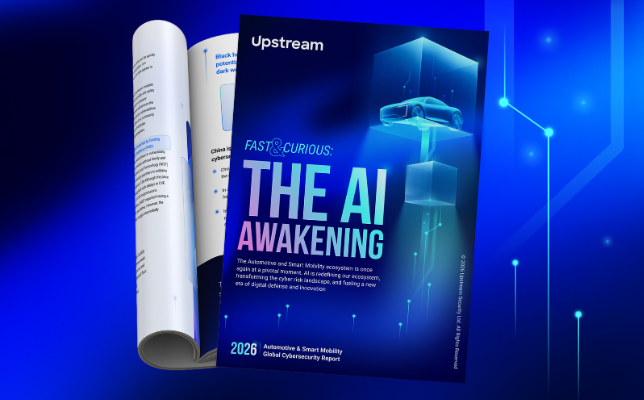
The AI Awakening – 2026 Global Automotive and Smart Mobility Cybersecurity Report
